
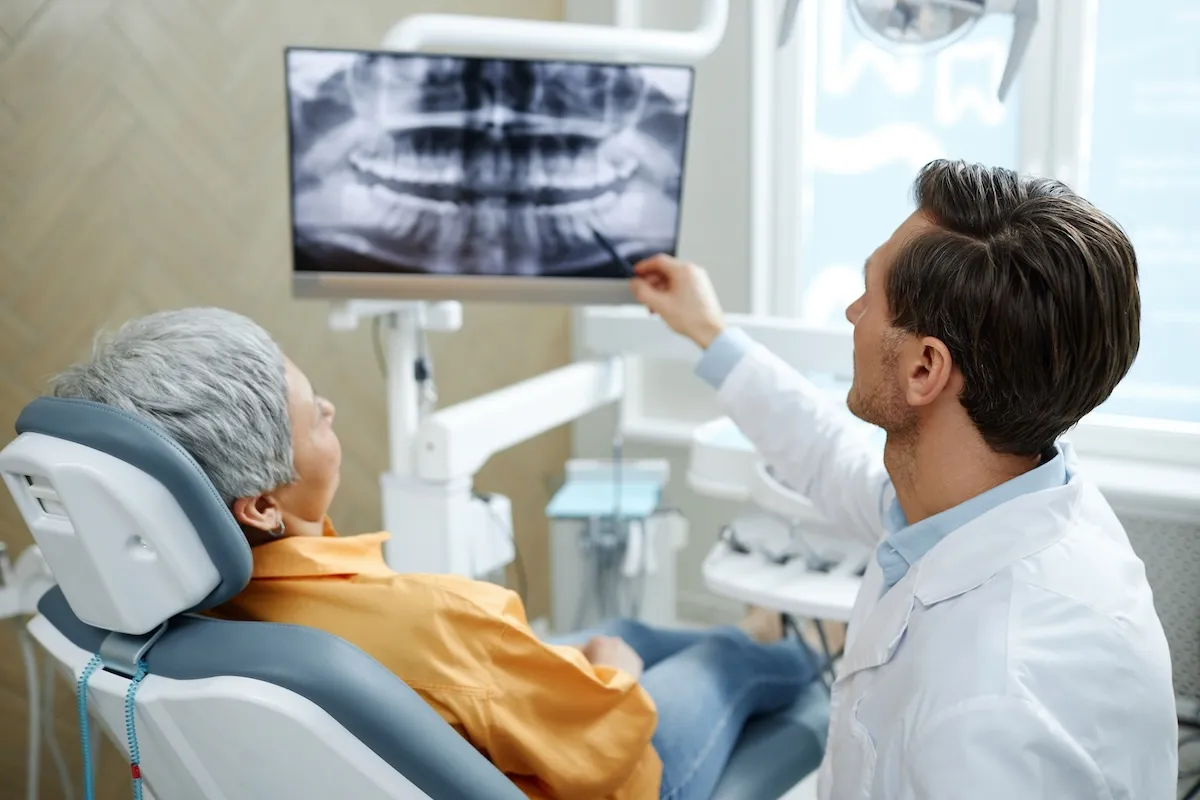
If it has been 10 years since your last dental appointment, you may feel nervous about going back. You might be worried about being judged, concerned that something is seriously wrong, or unsure how much treatment you may need.
The good news is that you can always start taking care of your oral health again. Whether you have avoided the dentist because of anxiety, cost, a busy schedule, or simply because life got in the way, an experienced dentist can help you understand where your oral health stands and what to do next.
At Chapel Street Dentistry, the goal is not to make you feel embarrassed about the past. It is to help you move forward with a practical, personalized treatment plan.
Is It Bad to Go 10 Years Without Seeing a Dentist?
Going 10 years without routine dental care can increase the risk of untreated dental problems. Some dental conditions develop gradually and may not cause noticeable symptoms until they become more advanced.
During those years, you could potentially develop:
- Tooth decay and cavities
- Gum disease
- Tooth sensitivity
- Cracked or damaged teeth
- Worn or weakened enamel
- Dental infections
- Tooth loss
- Changes in your bite
- Persistent bad breath
- Plaque and tartar buildup
This does not mean that everyone who has avoided the dentist for 10 years will have severe dental problems. Your oral health depends on factors such as genetics, diet, oral hygiene, medications, previous dental treatment, smoking or tobacco use, and other lifestyle factors.
The important thing is not to assume the worst before you have an examination.
What Happens at Your First Dental Appointment After 10 Years?
Your first appointment will generally begin with a comprehensive evaluation. The dentist will want to understand both your current oral health and your dental history.
Depending on your needs, your appointment may include:
1. A review of your dental and medical history
Your dentist may ask when you last had an examination, whether you have experienced tooth pain or sensitivity, what medications you take, and whether you have noticed changes in your teeth or gums.
Be honest about how long it has been. There is no benefit to hiding it.
2. A comprehensive dental examination
The dentist will examine your teeth, gums, bite, existing dental work, and other areas of your mouth for signs of problems.
This examination can help identify issues that may not be obvious when you’re looking in the mirror.
3. Dental X-rays when appropriate
X-rays can help your dentist identify problems beneath the visible surfaces of your teeth and gums.
They may reveal cavities between teeth, bone loss, infections, impacted teeth, or other concerns that cannot always be detected through a visual examination alone.
4. A discussion about your priorities
After being away from dental care for a long time, you may have several concerns at once.
Perhaps you want to stop your tooth pain. Maybe you are worried about missing teeth. Or perhaps you are primarily concerned about the appearance of your smile.
An experienced dentist should help you prioritize treatment rather than overwhelming you with a long list of procedures.
Will You Need a Lot of Dental Work?
Not necessarily.
One of the biggest fears people have after avoiding dental care is that they will immediately be told they need extensive treatment.
Your treatment needs depend entirely on what your examination reveals.
Some patients may need only a cleaning and preventive care. Others may need fillings, periodontal treatment, crowns, root canal therapy, extractions, or tooth replacement.
If multiple problems are present, treatment can usually be organized into stages.
For example:
Step 1: Address pain, infection, or urgent problems
Step 2: Treat active decay and gum disease
Step 3: Restore damaged or weakened teeth
Step 4: Replace missing teeth when appropriate
Step 5: Establish a preventive maintenance schedule
This approach can make returning to dentistry feel much more manageable.
What If You’re Embarrassed About Your Teeth?
This is one of the most common reasons people delay dental care.
You may think your teeth are “too bad” for a dentist to see. You may worry that the dentist or hygienist will criticize you.
But dental professionals routinely treat patients who have gone years without care.
You don’t need to have perfect teeth before making an appointment.
In fact, the purpose of the appointment is to determine how your oral health can be improved from where it is today.
If embarrassment or anxiety has prevented you from seeking treatment, tell the dental team before your appointment. Knowing this in advance can help them make your visit more comfortable.
What If You Have Dental Anxiety?
Dental anxiety can make even scheduling an appointment difficult.
If you have had a painful dental experience in the past, are afraid of needles, dislike the sounds of dental equipment, or simply feel uncomfortable being examined, communicating your concerns is an important first step.
A compassionate dental practice can explain procedures before beginning treatment, answer your questions, and allow you to understand what is happening.
The goal should be to give you a sense of control over your care.
For patients with significant anxiety, ask your dentist about the comfort and sedation options that may be appropriate for you.
What Dental Problems Are Most Common After Long-Term Avoidance?
Several problems deserve particular attention.
Cavities and tooth decay
Untreated decay can gradually progress through the tooth. A small cavity may eventually become large enough to require a crown, root canal, or extraction.
Gum disease
Gum disease can develop without causing significant pain. Bleeding gums, swollen gums, persistent bad breath, gum recession, and loose teeth can be warning signs.
Advanced periodontal disease can also affect the bone supporting your teeth.
Broken or worn teeth
Years of chewing, grinding, acidic foods and beverages, and untreated decay can weaken teeth.
A damaged tooth may sometimes be restored with a filling or crown. More severely damaged teeth may require other treatment.
Missing teeth
If you have lost teeth during the years you were away from dental care, your dentist can discuss replacement options.
Depending on your situation, these may include bridges, dentures, or dental implants.
Can Your Smile Still Be Improved After 10 Years?
Absolutely.
Restoring oral health comes first, but once your teeth and gums are healthy enough, you may also be interested in improving the appearance of your smile.
Cosmetic dentistry in Newark can include treatments such as professional teeth whitening, veneers, dental bonding, and other smile-enhancement procedures.
Cosmetic treatment is not necessarily about creating a perfectly uniform smile. A good cosmetic treatment plan should take your facial features, existing teeth, oral health, and personal goals into account.
For patients who have neglected dental care for years, cosmetic treatment may be considered after underlying problems such as decay or gum disease have been addressed.
What About Crooked or Crowded Teeth?
If you are concerned about tooth alignment, your dentist can evaluate your bite and determine whether orthodontic treatment could help.
Adults sometimes assume orthodontics is only for teenagers, but modern orthodontic treatment can be suitable for many adults.
If you’re considering clear aligners or other orthodontic options, your general dentist may coordinate treatment with an orthodontic provider. Someone searching for the best orthodontist in Newark DE should look for a qualified professional who can evaluate their specific bite and alignment needs rather than choosing based solely on advertising or online rankings.
How Often Should You Visit the Dentist After Returning?
Once your initial dental problems have been addressed, your dentist can recommend an appropriate maintenance schedule.
For many people, routine examinations and professional cleanings are an important part of maintaining oral health. However, the ideal frequency can vary depending on your risk factors and existing conditions.
If you have gum disease, a history of cavities, extensive dental work, or other oral health concerns, you may need more frequent monitoring.
The objective is to prevent another 10-year gap from happening.
Regular preventive care allows your dentist to identify problems earlier, when treatment may be simpler and less invasive.
How to Prepare for Your First Appointment
You don’t need to do anything complicated.
Before your visit:
- Write down any dental concerns you have.
- Make a list of your medications.
- Think about when you last had dental treatment.
- Tell the office if you have dental anxiety.
- Mention any pain, sensitivity, bleeding, swelling, or changes you’ve noticed.
- Bring your insurance information if applicable.
- Most importantly, don’t postpone the appointment because you’re embarrassed.
Your dentist has seen a wide range of dental conditions before.
Finding the Right Dentist After a Long Break
If you are looking for the best dentist in Newark, don’t focus only on ratings or marketing claims. Look for a practice that offers comprehensive care, takes time to explain treatment options, and makes you comfortable discussing your concerns.
An experienced dentist should be able to evaluate your current oral health, explain which problems require immediate attention, and help you create a realistic plan for improving your smile over time.
You may not need to fix everything in one appointment.
You simply need to take the first step.
You Don’t Have to Be Afraid of Starting Again
If it has been 10 years since your last dental appointment, the most important thing is not what happened during those 10 years.
It’s what you do next.
You may need a cleaning. You may need restorative treatment. You may discover that your teeth are healthier than you expected. Or you may need a combination of preventive, restorative, cosmetic, or orthodontic care.
Whatever your situation, there is no expiration date on getting your oral health back on track.
If fear, embarrassment, or uncertainty has kept you away from the dentist, consider making your first appointment an information-gathering visit. Talk openly with the dental team, ask questions, understand your options, and develop a treatment plan that works for you.
Your next dental appointment doesn’t have to be about everything that went wrong over the last 10 years.
It can be about making the next 10 years healthier.