
CHAPEL STREET DENTISTRY
DENTIST IN NEWARK, DE
Chapel Street Dentistry, conveniently located in Newark, DE cares for patients in Newark, Bear, Glasgow, Pike Creek and Elkton, MD. We believe great dentistry starts with honesty and a truly patient centered approach. At our office we take the time to understand your individual goals, concerns and comfort level before recommending treatment specifically tailored to you. From routine preventative care to urgent dental needs, our focus is delivering personalized, high quality care in a welcoming environment where you feel respected and are in control of your smile. So whether you’re searching for a dentist near me, a family dentist or an emergency dentist, schedule a visit with us to achieve the healthy, confident smile that you deserve.

Meet Dr. Avdhesh Patel
Dr. Avdhesh Patel is known for his calm, compassionate approach to modern dentistry. He firmly believes that dental visits should be positive, stress-free experiences. By pursuing hundreds of hours of continuing education annually, he stays current with modern techniques and treatment approaches. Dr. Patel is dedicated to helping you achieve a healthy, confident smile. His core philosophy centers on delivering individualized judgment-free care tailored to your unique needs.
Dr. Avdhesh Patel has been serving patients in Newark, DE with comprehensive dental care including general dentistry, restorative dentistry, cosmetic dentistry, emergency dentistry and pediatric dentistry. Dr. Patel received his Doctor of Dental Surgery from SUNY Buffalo in 2012.
Why Patients in Newark Choose Us
Non-Corporate Family Practice
We trade rigid corporate checklists for genuine relationships with the patients we serve. We are proudly independent, offering a warm and welcoming office where you are treated like a neighbor, not a number
Modern Technology
Our practice utilizes state-of-the-art technology—including advanced digital X-rays, intraoral cameras, and modern intraoral scanners—to give you a clear, precise look at your health. We seamlessly combine this cutting-edge diagnostic equipment with comforting options like nitrous sedation to ensure your visit is as smooth, efficient, and relaxing as possible.
Zero Judgement Care
Dental anxiety and life disruptions happen, which is why our office is a completely safe space focused entirely on your future health rather than your past. No matter how long it has been since your last visit or what state your smile is in, our only focus is supporting you with kindness and helping you move forward.
Full Scope Dental Practice
From routine preventative cleanings and cosmetic enhancements to advanced restorative procedures and emergency care, our practice is fully equipped to handle all of your family's dental needs under one roof. We understand that your time is valuable and dental issues can be unpredictable, which is why we offer same-day treatment availability to get you smiling again without the wait.
Dental Services in Newark, DE


Restorative Dentistry
• Composite restorations
• Crowns and bridges
• Implants
• Dentures and Partials


Emergency Dentistry
• Root Canal Treatment
• Extractions
• Restorations for Chipped & Broken teeth
Looking For an Emergency Dentist in Newark?
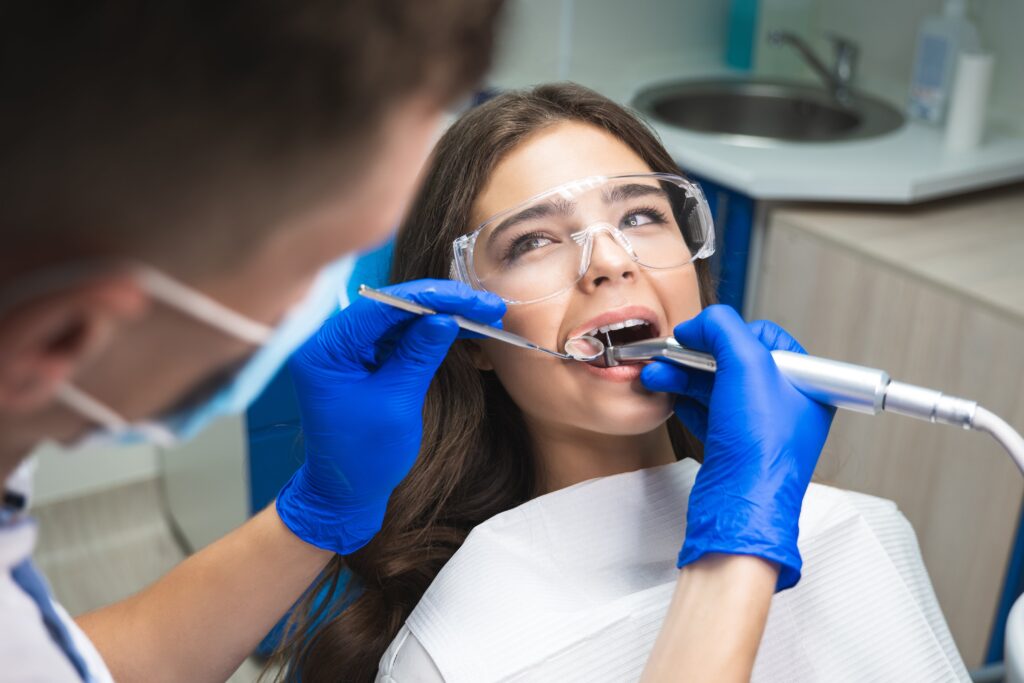
Dental emergencies are unpredictable, but Chapel Street Dentistry is here when you need us most. If you’re searching for a reliable emergency dentist in Newark, DE, our experienced team is ready to provide fast, effective care. From severe toothaches and broken teeth to sudden oral infections, we prioritize prompt treatment to relieve your pain and protect your smile. Don’t wait in discomfort – contact Chapel Street Dentistry immediately for the expert emergency care you need to get back to feeling your best.
FAQs
Yes! We strive to be Newark’s premier emergency dentist. We schedule same day appointments for emergency services to address urgent issues such as toothaches, broken teeth and dental infections.
Chapel Street Dentistry is a non-corporate, local family practice that focuses on quality rather than quantity. At our office you won’t be rushed, you won’t be pressured. You’ll be treated like a real person with real goals. Your appointment is reserved exclusively for you, giving you our dentist’s undivided attention.
Insurance coverage can often be confusing, and knowing whether or not your policy is accepted by a prospective dental practice is extremely important when choosing a dentist. We are in network with most insurance companies. Because every insurance policy is different, it is typically best to have a one-on-one conversation with our insurance coordinator to make the most of your dental insurance. If you are interested in discussing the specifics of your insurance and what plans we accept, do not hesitate to give our Newark, DE dental office a call at (302) 737-6761.
Our friendly receptionist will greet you. Then, you can ask questions and turn in your paperwork, copay, insurance information, identification, and other requested documents.
Typically, this initial visit includes:
- Dental x-rays
- A comprehensive dental exam of teeth, gums and an oral cancer screening
- Professional teeth cleaning if time permits
- A conversation with the dentist about exam findings and your personalized treatment plan
- Answers to any questions you might have and alternatives to the proposed treatment plan
Your visit will vary if you come to us for a specific reason other than a preventive appointment, such as a consultation for cosmetic dentistry or implants.
Office Tour


