
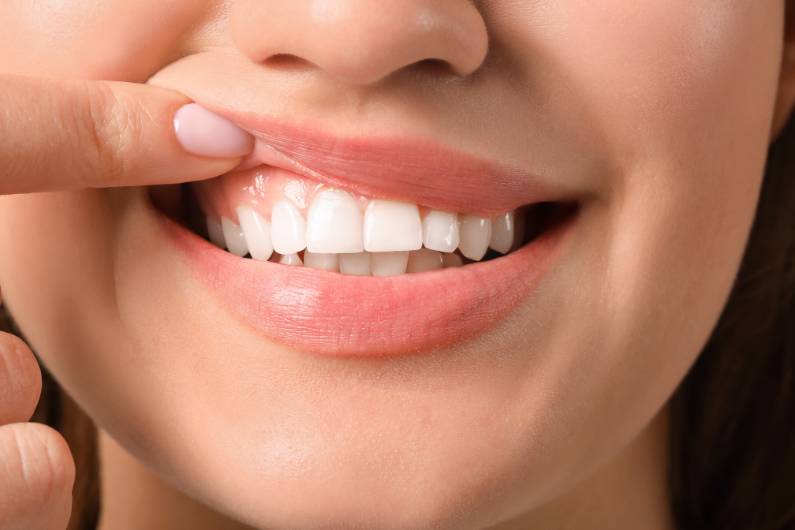
Healthy teeth are not only about having a bright smile. Your oral health often reflects what is happening inside your body, including nutritional deficiencies and gum health concerns that may go unnoticed for years. At Chapel Street Dentistry, patients are often surprised to learn how conditions like calcium deficiency can weaken teeth and increase the risk of gum disease. Seeking care from the right dental professional can make a significant difference in protecting your smile for the future.
If you are searching for a trusted periodontist Newark DE residents rely on or looking for the best dentist Newark has to offer, understanding the connection between nutrition, gums, and teeth is the first step toward lasting oral health.
The Hidden Impact of Calcium Deficiency on Teeth
Calcium plays a critical role in maintaining strong enamel and healthy jawbones. When the body does not receive enough calcium, it begins taking minerals from bones and teeth to support essential bodily functions. Over time, calcium deficiency teeth problems can become severe and lead to visible oral health complications.
Many people experience early warning signs without realizing the underlying cause. Weak enamel, tooth sensitivity, frequent cavities, and brittle teeth are all common symptoms associated with low calcium levels. In more advanced cases, calcium deficiency can contribute to gum recession and tooth loss.
The mouth is often one of the first places where nutritional deficiencies become visible. That is why regular dental checkups are important for detecting these concerns early before they become more difficult to treat.
Why Gum Health Matters More Than Ever
Healthy gums provide the foundation for strong teeth. Unfortunately, gum disease remains one of the most common oral health conditions among adults. It often develops silently, beginning with mild inflammation before progressing into serious periodontal disease.
A skilled periodontist Newark DE patients trust can identify gum disease during its earliest stages and recommend effective treatment options. Symptoms such as bleeding gums, persistent bad breath, gum tenderness, and loose teeth should never be ignored.
When left untreated, periodontal disease can damage the tissues and bone supporting your teeth. In severe situations, it may even impact overall health by increasing the risk of conditions such as heart disease and diabetes complications.
At Chapel Street Dentistry, comprehensive periodontal care focuses on preserving both the health and appearance of your smile. Early intervention is one of the most effective ways to prevent long-term dental issues.
How Nutrition and Oral Health Work Together
The relationship between diet and oral health is stronger than many people realize. Calcium-rich foods such as dairy products, leafy greens, almonds, and fortified foods help strengthen enamel and support healthy gums. Vitamin D is equally important because it helps the body absorb calcium effectively.
Patients struggling with calcium deficiency teeth concerns may also benefit from reducing sugary foods and acidic beverages that weaken enamel further. Drinking enough water and maintaining a balanced diet can significantly improve oral health over time.
Routine professional cleanings combined with healthy nutrition habits create the best defense against tooth decay and gum disease. Visiting the best dentist Newark residents recommend ensures that nutritional concerns affecting your oral health are identified and addressed early.
Choosing the Right Dental Care Provider
Finding the right dental team can make all the difference in maintaining a healthy smile. Patients searching for the best dentist Newark offers often prioritize experience, patient comfort, advanced treatment options, and personalized care.
At Chapel Street Dentistry, every treatment plan is designed around the individual needs of the patient. Whether someone requires preventive care, cosmetic improvements, or specialized periodontal treatment, comprehensive dental care helps support long-term oral wellness.
A trusted periodontist Newark DE families depend on can provide advanced gum treatments while also educating patients about preventing future issues. Preventive dentistry remains one of the most valuable investments in overall health.
Protecting Your Smile for the Future
Oral health problems rarely develop overnight. Most dental concerns begin gradually and worsen over time when ignored. Paying attention to signs of calcium deficiency teeth damage or early gum disease can help prevent expensive and invasive procedures later.
Maintaining strong teeth and healthy gums requires consistent care, proper nutrition, and regular dental visits. Professional examinations allow dentists to detect problems early and recommend solutions before complications arise.
At Chapel Street Dentistry, patient education is a key part of long-term dental success. By understanding how nutrition, gum health, and preventive care work together, patients can make informed decisions that protect their smiles for years to come.
Frequently Asked Questions
Q. What are the signs of calcium deficiency in teeth?
Common signs include tooth sensitivity, weak enamel, frequent cavities, brittle teeth, and an increased risk of tooth decay. Some people may also experience gum problems or tooth discoloration.
Q. When should I see a periodontist?
You should see a periodontist if you experience bleeding gums, gum recession, loose teeth, chronic bad breath, or signs of advanced gum disease. Early treatment can help prevent tooth loss.
Q. How can I improve my calcium levels for healthier teeth?
Eating calcium-rich foods such as dairy products, leafy greens, almonds, and fortified cereals can help. Vitamin D intake is also important because it supports calcium absorption.
Q. Why is gum health important?
Healthy gums support your teeth and protect the underlying bone structure. Poor gum health can lead to periodontal disease, tooth loss, and even affect overall health conditions like heart disease.
Q. How often should I visit the dentist?
Most patients should visit the dentist every six months for professional cleanings and exams. Patients with gum disease or other oral health concerns may require more frequent visits.