
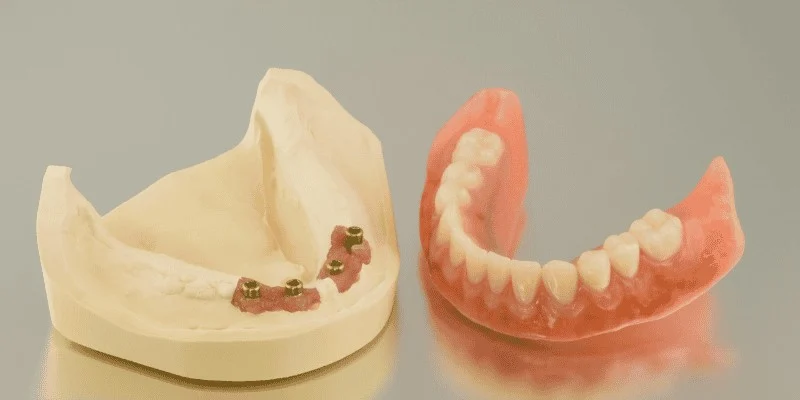
Losing multiple teeth can affect much more than your smile. Missing teeth can make eating difficult, change the way you speak, and affect your confidence in everyday situations. Fortunately, modern dentistry offers several ways to replace missing teeth, including traditional dentures and implant-supported dentures.
While both options can restore the appearance and function of your smile, they work in very different ways. Traditional dentures rest on the gums and can be removed, while implant-supported dentures are anchored to dental implants placed in the jawbone.
If you’re researching dentures in Newark DE, understanding the differences between these options can help you have a more productive conversation with your dentist.
Let’s compare traditional and implant-supported dentures, including their benefits, limitations, costs, maintenance, and candidacy.
What Are Traditional Dentures?
Traditional dentures are removable dental appliances designed to replace multiple missing teeth. A complete denture can replace an entire arch of teeth, while a partial denture can replace several missing teeth while retaining some natural teeth.
Traditional dentures generally consist of artificial teeth attached to an acrylic base that resembles the appearance of gum tissue.
They are designed to fit over the gums and restore basic functions such as chewing and speaking.
Benefits of Traditional Dentures
Traditional dentures remain a popular tooth-replacement option because they can offer several advantages:
- They are removable.
- They can replace multiple missing teeth at once.
- They generally don’t require dental implants.
- They can provide an improved smile and facial appearance.
- They can restore some chewing function.
- They may be more affordable initially than implant-supported options.
- Treatment may be possible for patients who aren’t candidates for implants.
However, traditional dentures rely primarily on the gums and underlying oral structures for support. Because they are not anchored into the jawbone, movement can sometimes occur while eating or speaking.
What Are Implant-Supported Dentures?
Implant-supported dentures combine the removable or fixed denture concept with dental implants.
Instead of relying entirely on the gums for support, several dental implants are surgically placed into the jawbone. The denture then attaches to those implants.
Depending on the treatment plan, implant-supported dentures may be removable by the patient or designed as a more permanently secured restoration.
The major difference is stability.
Traditional dentures rest on the gums.
Implant-supported dentures are supported by implants anchored in the jawbone.
How Do Implant-Supported Dentures Work?
The process generally involves several stages.
1. Consultation and examination
Your dentist evaluates your oral health, jawbone structure, remaining teeth, and overall treatment goals.
Imaging may be used to determine whether there is enough bone available for implant placement.
2. Implant placement
Dental implants are placed strategically into the jawbone.
The number of implants required depends on the type of restoration and your individual anatomy.
3. Healing and integration
The implants need time to integrate with the surrounding bone. This process, known as osseointegration, creates a stable foundation for the denture.
4. Denture attachment
Once the implants have healed sufficiently, the denture can be attached to the implants according to the treatment plan.
Because the denture is supported by implants rather than resting solely on the gums, it can provide greater stability during everyday activities.
Traditional Dentures vs. Implant-Supported Dentures
The best option depends on your oral health, preferences, budget, and long-term goals.
| Feature | Traditional Dentures | Implant-Supported Dentures |
| Removable | Yes | Depends on design |
| Implant surgery | No | Yes |
| Stability | Moderate | Generally greater |
| Jawbone stimulation | Limited | Implants can help stimulate surrounding bone |
| Initial cost | Usually lower | Usually higher |
| Treatment time | Often shorter | Usually longer |
| Maintenance | Regular cleaning required | Denture and implant maintenance required |
| Chewing stability | Can vary | Generally improved |
| Implant candidacy required | No | Yes |
This comparison doesn’t mean that implant-supported dentures are automatically better for every patient.
A qualified dentist in Newark can evaluate your specific situation and explain which treatment is appropriate.
Which Option Is Better for Eating?
One of the most common concerns among denture patients is eating.
Traditional dentures can restore chewing ability, but certain foods may be more difficult to eat. Sticky or particularly hard foods can cause dentures to move.
Implant-supported dentures can provide improved stability because the restoration is anchored to dental implants.
This doesn’t mean that implant-supported dentures give you exactly the same chewing ability as natural teeth. They are still prosthetic teeth and require appropriate care.
Your dentist can explain what you can reasonably expect based on the specific restoration being considered.
Do Implant-Supported Dentures Help Prevent Bone Loss?
This is an important distinction.
Natural tooth roots stimulate the jawbone when you chew. After teeth are lost, the bone that previously supported those roots can gradually resorb.
Traditional dentures do not replace tooth roots and therefore do not provide the same type of stimulation.
Dental implants, on the other hand, are placed into the jawbone and can provide stimulation to the surrounding bone.
This is one reason implant treatment can be an important consideration for some patients who want a longer-term tooth-replacement solution.
However, implant treatment isn’t appropriate for everyone, and bone volume, oral health, medical factors, and other considerations need to be evaluated.
Are Implant-Supported Dentures More Expensive?
Generally, yes.
Traditional dentures usually have a lower initial treatment cost because they don’t require implant placement or implant surgery.
Implant-supported dentures involve additional components and procedures, including:
- Implant placement
- Imaging and treatment planning
- Healing time
- Implant-supported attachments
- The denture or prosthetic restoration
- Follow-up appointments
The total cost can vary considerably depending on how many implants are needed, the type of restoration, the condition of your jawbone, and whether additional procedures are necessary.
Instead of comparing prices based solely on the initial cost, consider the long-term value, maintenance requirements, comfort, stability, and expected function of each option.
If cost is a concern, ask your dental office about payment options and whether there are multiple treatment approaches available.
Who Is a Candidate for Traditional Dentures?
Traditional dentures may be appropriate for patients who:
- Have lost many or all of their teeth
- Want a removable tooth-replacement option
- Aren’t candidates for implants
- Prefer to avoid implant surgery
- Want a potentially lower-cost solution
- Need a relatively straightforward tooth-replacement approach
A dental examination is necessary to determine whether traditional dentures will provide an appropriate fit and function.
Who Is a Candidate for Implant-Supported Dentures?
Implant-supported dentures may be considered for patients who:
- Have lost multiple teeth
- Want greater denture stability
- Have adequate bone structure or can undergo appropriate preparatory treatment
- Are healthy enough for implant surgery
- Want an alternative to conventional removable dentures
- Are willing to undergo a longer treatment process
Your dentist may use dental imaging to assess your bone structure and determine whether implants are feasible.
What If You Already Have Loose Dentures?
If your existing dentures slip when you talk or eat, don’t assume you simply have to live with it.
Several factors can contribute to loose dentures, including changes in the gums and jawbone over time, changes in the fit of the denture, and normal wear.
Depending on your situation, your dentist may recommend:
- Denture adjustment
- Relining
- Denture replacement
- Implant-supported dentures
If you are experiencing persistent discomfort or difficulty eating, schedule an evaluation with a dentist in Newark to determine what’s causing the problem.
How Do You Choose the Right Denture Option?
The decision shouldn’t be based solely on price.
Consider these questions:
How important is stability?
If your primary concern is keeping your teeth securely in place while eating and speaking, implant-supported dentures may be worth discussing.
Do you want a removable restoration?
Traditional dentures are removable. Some implant-supported dentures are also removable, while other implant-supported restorations are designed to remain secured.
Are you comfortable with implant surgery?
Implant-supported treatment involves a surgical procedure and healing period. If you’d prefer to avoid surgery, traditional dentures may be a better fit for your preferences.
What is your budget?
Traditional dentures typically have a lower initial cost, while implant-supported dentures require a greater upfront investment.
What are your long-term goals?
Think beyond the first few months. Discuss durability, maintenance, bone preservation, comfort, and future treatment with your dentist.
Caring for Your Dentures
Regardless of which option you choose, proper maintenance is essential.
For traditional dentures:
- Remove and clean them as instructed.
- Keep them appropriately hydrated when not being worn if recommended by your dental professional.
- Clean your gums and tongue.
- Avoid using excessively hot water that could alter the denture.
- Attend regular dental appointments.
For implant-supported dentures:
- Clean the denture according to your dentist’s instructions.
- Maintain good gum and oral hygiene.
- Clean around implants carefully.
- Attend recommended maintenance appointments.
- Report discomfort, looseness, swelling, or other changes promptly.
Even if you have no natural teeth remaining, regular dental visits remain important.
Frequently Asked Questions
Are implant-supported dentures better than traditional dentures?
Not necessarily for everyone. Implant-supported dentures generally offer greater stability, but they involve implant surgery, additional treatment time, and a higher initial cost. Traditional dentures may be appropriate for patients who prefer a removable, non-implant option.
Can I eat normally with traditional dentures?
Traditional dentures can restore chewing function, but some foods may be more challenging. Patients often need an adjustment period and may benefit from modifying how they bite and chew certain foods.
Do implant-supported dentures come out?
It depends on the type. Some implant-supported dentures are designed to be removable by the patient, while other implant-supported restorations are secured in place. Your dentist can explain which design is appropriate for you.
How long do dentures last?
The lifespan of dentures varies depending on materials, oral changes, wear, and maintenance. Even if the denture itself remains functional, changes in the gums and jawbone can affect its fit over time.
Can I get implant-supported dentures if I have bone loss?
Possibly. Bone loss doesn’t automatically mean implants are impossible. Your dentist may evaluate your bone volume using dental imaging and discuss whether additional procedures could make implant treatment possible.
Are dentures painful?
New dentures can require an adjustment period, and areas of irritation may occur if the fit needs adjustment. Persistent pain isn’t something you should simply tolerate. Contact your dentist if your dentures consistently cause discomfort.
How much do dentures cost in Newark, DE?
The cost varies based on the type of denture, materials, complexity of treatment, and whether additional dental procedures are necessary. Implant-supported dentures generally cost more because they involve dental implants and additional treatment.
Should I choose dentures or dental implants?
That depends on your oral health, bone structure, budget, preferences, and long-term goals. A comprehensive evaluation with a qualified dental professional is the best way to compare your options.