
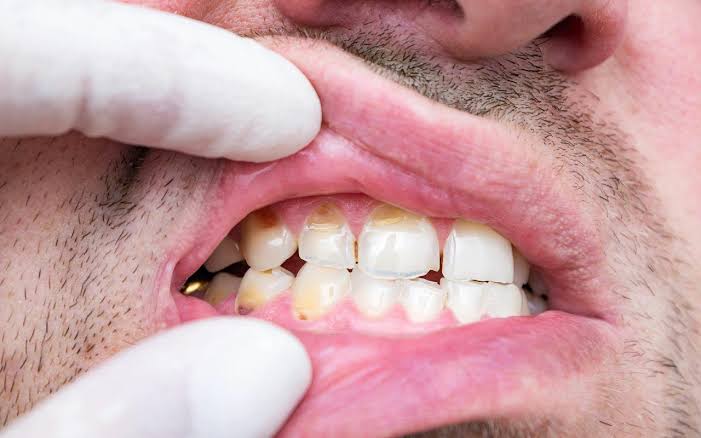
Energy drinks have become a daily habit for many students, professionals, athletes, and busy individuals looking for a quick boost. While they may help you stay awake or improve focus temporarily, they can silently damage one of your most valuable assets, your smile. Many people don’t realize that the high acid and sugar content found in energy drinks can cause severe tooth erosion, cavities, and long-term oral health problems.
At Chapel Street Dentistry, we believe prevention is the key to maintaining a healthy smile. Understanding how energy drinks affect your teeth can help you make smarter choices and protect your oral health for years to come.
Why Energy Drinks Are So Harmful to Your Teeth
Energy drinks contain a combination of acids, sugars, and stimulants. Citric acid and phosphoric acid are commonly added to improve flavor and shelf life, but they also weaken tooth enamel. Enamel is the protective outer layer of your teeth, and once it wears away, it cannot regenerate.
The sugar in many energy drinks feeds harmful bacteria in the mouth. These bacteria produce acids that further attack your enamel, increasing the risk of cavities and tooth decay. Even sugar-free energy drinks can be harmful because their acidic ingredients continue to erode enamel.
Regular consumption can gradually lead to tooth sensitivity, discoloration, weakened teeth, and expensive restorative dental treatments.
The Process of Tooth Erosion
Every time you sip an energy drink, your teeth are exposed to acid for around 20 to 30 minutes. Many people drink these beverages slowly throughout the day, meaning their teeth remain under constant acid attack.
As enamel wears away, the softer dentin underneath becomes exposed. This causes increased sensitivity when eating hot, cold, or sweet foods. Eventually, teeth become more vulnerable to cracks, chips, and decay.
Unlike cavities, enamel erosion often develops silently. Many people don’t notice the damage until it has already become significant.
The Connection Between Nutrition and Healthy Teeth
Strong teeth depend on more than brushing alone. Proper nutrition plays a major role in maintaining healthy enamel.
One important factor is calcium intake. Calcium helps strengthen both teeth and bones, making them more resistant to decay and erosion. People who consume excessive energy drinks often replace milk or healthier beverages with these acidic alternatives, reducing their calcium intake over time.
Some common calcium deficiency teeth symptoms include weakened enamel, increased tooth sensitivity, frequent cavities, delayed tooth development in children, brittle teeth, and a greater risk of fractures. If these symptoms appear, it’s important to seek professional dental care while also improving dietary habits.
Combining a balanced diet with regular dental visits helps keep your smile healthy and strong.
How Much Should You Brush Your Teeth?
Many patients ask, how much should you brush your teeth to prevent damage from sugary or acidic drinks?
The American Dental Association recommends brushing your teeth twice daily for two minutes using fluoride toothpaste. However, timing matters just as much as frequency.
After drinking an energy drink, avoid brushing immediately. Because acids temporarily soften enamel, brushing right away can actually remove more enamel from the tooth surface. Instead, rinse your mouth with water and wait approximately 30 minutes before brushing.
Using a soft-bristled toothbrush and fluoride toothpaste provides the best protection while minimizing unnecessary wear.
Simple Ways to Reduce Damage from Energy Drinks
If you occasionally enjoy energy drinks, there are several ways to reduce their impact on your teeth.
Drink them quickly instead of sipping them over several hours. Using a straw helps minimize direct contact with your teeth. Rinsing with plain water immediately afterward helps wash away acids and sugars. Drinking plenty of water throughout the day also supports healthy saliva production, which naturally protects your teeth by neutralizing acids.
Choosing healthier alternatives such as water, milk, or unsweetened tea can significantly lower your risk of enamel erosion.
Restoring Teeth Damaged by Energy Drinks
If your teeth have already been affected by enamel erosion, modern dentistry offers several treatment options depending on the severity of the damage.
Minor enamel wear may be managed with fluoride treatments that strengthen remaining enamel. Tooth-colored fillings can repair small cavities caused by acid and decay. Dental bonding restores areas where enamel has chipped or worn away. In more advanced cases, crowns or veneers may be recommended to protect and rebuild severely damaged teeth.
Early diagnosis always results in simpler, more affordable treatment.
Why Regular Dental Checkups Matter
Many signs of tooth erosion are difficult to notice without a professional examination. Regular dental checkups allow your dentist to detect early enamel loss before it develops into serious damage.
Professional cleanings remove plaque buildup that contributes to decay, while routine examinations identify cavities, gum disease, and weakened enamel early enough for conservative treatment.
Patients who consume acidic beverages regularly benefit greatly from preventive dental care and personalized recommendations tailored to their lifestyle.
Trust the Best Dental Care in Newark
Protecting your smile starts with choosing experienced professionals who prioritize preventive care. Whether you’re experiencing tooth sensitivity, enamel erosion, cavities, or simply want advice on improving your oral health, the team at Chapel Street Dentistry is here to help.
Our compassionate approach combines advanced technology with personalized treatment plans designed to keep your teeth healthy for life. If you’re searching for the Best dental care in Newark, our experienced team is committed to helping patients of all ages achieve stronger, healthier smiles through education, prevention, and comprehensive dental care.
Conclusion
Energy drinks may provide temporary energy, but they can have lasting consequences for your oral health. Their combination of acid and sugar gradually wears away enamel, increasing the risk of cavities, sensitivity, and costly dental treatments. Maintaining good nutrition, recognizing calcium deficiency teeth symptoms, understanding how much should you brush your teeth, and scheduling regular dental visits are all essential steps toward protecting your smile.
Your teeth are designed to last a lifetime, with the right care, they can.
Frequently Asked Questions
Can energy drinks damage teeth even if they are sugar-free?
Yes. Sugar-free energy drinks still contain acids that weaken and erode tooth enamel, making your teeth more susceptible to sensitivity and decay.
How much should you brush your teeth every day?
You should brush your teeth twice a day for two minutes each time using fluoride toothpaste and a soft-bristled toothbrush.
What are common calcium deficiency teeth symptoms?
Common symptoms include weakened enamel, increased tooth sensitivity, frequent cavities, brittle teeth, and delayed tooth development in children.
Is it okay to brush immediately after drinking an energy drink?
No. Wait about 30 minutes before brushing because the acid temporarily softens enamel. Brushing immediately can increase enamel wear.
Can damaged enamel grow back?
No. Tooth enamel cannot regenerate naturally. However, fluoride treatments can strengthen the remaining enamel, and restorative procedures can repair damaged teeth.
How often should I visit the dentist? Most patients should schedule a dental examination and professional cleaning every six months. If you regularly consume acidic beverages or have existing dental concerns, your dentist may recommend more frequent visits.