
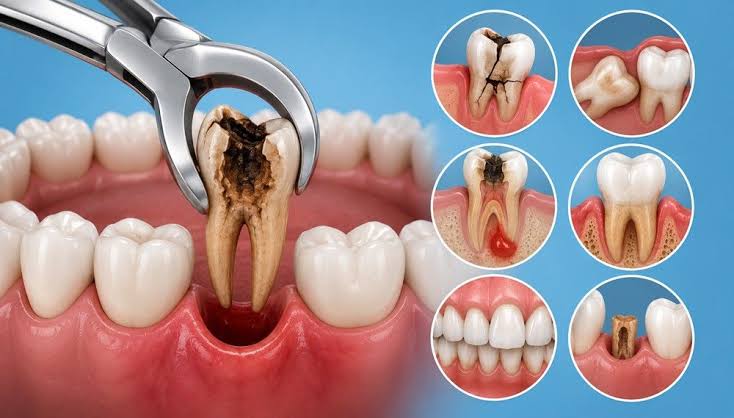
The idea of having a tooth removed can make many people nervous. You may wonder whether a tooth extraction will hurt, how long the procedure takes, what happens afterward, and what you should eat while your mouth heals.
The good news is that modern tooth extraction is a routine dental procedure. Your dentist will carefully evaluate your tooth, explain your options, numb the area, and provide aftercare instructions to help you recover comfortably.
Whether you need an extraction because of severe decay, an infection, a broken tooth, overcrowding, or another dental problem, understanding what happens during the procedure can make the experience much less stressful.
Why Would a Tooth Need to Be Extracted?
Dentists generally try to preserve natural teeth whenever possible. However, sometimes a tooth cannot be predictably restored or keeping it could negatively affect your oral health.
Common reasons for tooth extraction include:
- Severe tooth decay
- A cracked or fractured tooth
- Advanced gum disease
- A serious dental infection
- An impacted wisdom tooth
- Significant bone loss around a tooth
- Severe tooth damage or trauma
- Overcrowding before orthodontic treatment
- A tooth that cannot be restored with a filling, crown, or root canal
An extraction may also be recommended when a tooth poses a risk to surrounding teeth or when removing it is necessary to create space for another treatment.
Your dentist should explain why extraction is recommended and whether alternatives, such as a root canal or restorative treatment, are appropriate.
What Happens Before a Tooth Extraction?
The process begins with an examination.
Your dentist will evaluate the tooth, surrounding gums, and supporting bone. Dental X-rays may be taken to determine the position of the tooth and assess its roots and surrounding structures.
Your dentist may also ask about:
- Current medications
- Medical conditions
- Allergies
- Previous dental procedures
- Blood-thinning medications
- Pregnancy, when applicable
- Previous reactions to anesthesia
This information helps your dental team plan the safest procedure.
If the tooth is infected, your dentist will also determine whether the infection requires treatment before or around the time of extraction.
Will You Be Awake During a Tooth Extraction?
For a routine extraction, you are generally awake.
The dentist uses a local anesthetic to numb the tooth and surrounding tissues. You should not feel sharp pain during the procedure, although you may notice pressure, movement, or pushing.
If you are particularly anxious about dental treatment, discuss your concerns before the procedure. Depending on your situation and the services available at the dental practice, additional comfort or sedation options may be considered.
The important thing is to tell your dentist if you feel pain during treatment. They can provide additional anesthetic when appropriate.
Step 1: The Area Is Numbed
Before removing the tooth, your dentist applies a local anesthetic.
The anesthetic blocks pain signals from the nerves around the tooth. Your lips, gums, cheek, or tongue near the treatment area may feel numb.
Your dentist will generally check that the area is sufficiently numb before beginning the extraction.
You may still feel pressure during the procedure. This is normal and is different from sharp pain.
Step 2: The Tooth Is Loosened
For a simple extraction, the dentist uses specialized dental instruments to gently loosen the tooth from the surrounding tissues.
The dentist carefully works around the tooth to expand the socket and separate the tooth from the periodontal ligament that holds it in place.
You may feel pressure or movement while this is happening.
The procedure is performed gradually rather than simply pulling forcefully on the tooth.
Step 3: The Tooth Is Removed
Once the tooth has been sufficiently loosened, the dentist removes it from the socket.
The amount of time this takes depends on the tooth.
A relatively straightforward tooth may be removed within a short period, while a tooth with unusual roots, significant decay, or difficult positioning may require more careful treatment.
Your dentist will explain what is happening during the procedure if that helps you feel more comfortable.
What Is a Surgical Extraction?
Not every tooth can be removed with a simple extraction.
A surgical extraction may be necessary when a tooth is impacted, broken below the gum line, severely damaged, or difficult to access.
Wisdom teeth are a common example.
During a surgical extraction, the dentist or oral surgeon may make a small incision in the gum and, when necessary, remove a small amount of surrounding bone or divide the tooth into sections.
This allows the tooth to be removed more safely and efficiently.
Surgical extractions generally involve a more involved recovery than simple extractions, although individual experiences vary.
Step 4: The Socket Is Cleaned
After the tooth is removed, your dentist examines and cleans the extraction site.
If infection or damaged tissue is present, the area may require additional treatment.
In some cases, the dentist may place a bone graft in the socket, particularly when future dental implant treatment is being considered.
Your dentist will explain whether grafting is recommended in your case.
Step 5: Gauze Is Placed Over the Area
After the extraction, gauze is usually placed over the socket.
You will be instructed to bite down gently but firmly on the gauze for a specified period. This helps encourage a blood clot to form.
The blood clot is an important part of healing.
It protects the underlying tissues and allows the extraction site to begin repairing itself.
What Happens After a Tooth Extraction?
Once the procedure is complete, your dentist will provide aftercare instructions.
You may experience:
- Mild bleeding
- Swelling
- Tenderness
- Jaw soreness
- Temporary difficulty opening your mouth
- Sensitivity around the extraction area
These symptoms can be normal during the early stages of recovery.
Your dentist may recommend appropriate pain relief, depending on your medical history and the procedure.
What Should You Eat After a Tooth Extraction?
Immediately after extraction, choose soft foods that require minimal chewing.
Examples include:
- Yogurt
- Applesauce
- Mashed potatoes
- Soft eggs
- Smooth soups that aren’t hot
- Soft pasta
- Smoothies eaten without a straw
As your mouth heals, you can gradually return to your normal diet.
Avoid extremely hot foods and drinks immediately after extraction because heat can increase bleeding or cause discomfort.
You should also avoid hard, crunchy, or sharp foods that could irritate the extraction site.
Why Should You Avoid Straws After an Extraction?
One important aftercare instruction is to avoid using straws during the early healing period.
Suction can potentially disturb the blood clot forming in the extraction socket.
If the clot becomes dislodged, you may develop a painful condition called dry socket.
For the same reason, follow your dentist’s instructions regarding smoking and other activities that can interfere with healing.
How Long Does It Take to Recover?
Recovery varies depending on the type of extraction and your overall health.
The initial discomfort and swelling often improve over the first few days. The gum tissue continues to heal over the following weeks, while deeper bone healing takes longer.
A surgical extraction or wisdom tooth removal may require a longer recovery period than a straightforward extraction.
Your dentist will tell you what recovery timeline is appropriate for your specific procedure.
What Is Dry Socket?
Dry socket occurs when the protective blood clot is lost or fails to form properly after an extraction.
It can cause significant pain that may radiate toward the ear, jaw, or surrounding area.
Symptoms may include:
- Increasing pain several days after extraction
- Bad taste
- Bad breath
- An extraction site that appears unusually empty
If you experience severe or worsening pain after an extraction, contact your dentist promptly.
When Should You Contact Your Dentist?
Some discomfort after extraction is expected, but certain symptoms warrant professional attention.
Contact your dental office if you experience:
- Heavy or persistent bleeding
- Severe or worsening pain
- Significant swelling
- Fever
- Difficulty swallowing or breathing
- Pus or other signs of infection
- Symptoms that are getting worse rather than better
If you experience difficulty breathing or severe facial swelling, seek urgent medical attention.
What Happens After the Tooth Is Removed?
Tooth extraction solves the immediate problem, but your dentist may also discuss what should happen next.
Depending on your situation, replacement options may include:
Dental implant
An implant replaces the tooth root and can support a crown.
Dental bridge
A bridge replaces the missing tooth using neighboring teeth for support.
Partial denture
A removable partial denture can replace one or several missing teeth.
Not every extracted tooth necessarily needs immediate replacement. Your dentist can assess your bite, the location of the tooth, your oral health, and your long-term goals before recommending an option.
How Can You Prepare for a Tooth Extraction?
Before your appointment:
- Tell your dentist about all medications and medical conditions.
- Follow any instructions regarding eating and drinking.
- Arrange transportation if sedation will be used.
- Prepare soft foods for the first few days.
- Avoid smoking as instructed.
- Ask questions if you are uncertain about the procedure or recovery.
Most importantly, don’t be afraid to tell your dentist that you’re nervous.
Understanding the procedure and knowing what to expect can make a significant difference.
Final Thoughts
A tooth extraction may sound intimidating, but it is a common dental procedure designed to protect your oral health when a tooth cannot be predictably saved.
The process typically involves an examination, dental imaging when appropriate, local anesthesia, carefully loosening and removing the tooth, controlling bleeding, and providing detailed aftercare instructions. Your responsibilities after the procedure are equally important. Protect the blood clot, follow your dentist’s instructions, maintain good oral hygiene around the area, and contact your dental office if you experience unusual or worsening symptoms.